When a pipe bursts or a drain clogs, homeowners are faced with the decision to grab a wrench or call a professional. While the allure of saving money beckons many to attempt do-it-yourself (DIY) solutions, the complexity of plumbing systems often requires expert intervention. In this article, we delve into the pros and cons of DIY plumbing versus hiring a professional, guiding you towards making an informed decision on which route to take for your plumbing needs.
The question of whether to handle plumbing issues personally or outsource them to a seasoned plumber is both a matter of skill and economics. Below, we will explore key factors from DIY perspectives and professional expertise to cost considerations and risk management, laying out a comprehensive comparison for homeowners.
Analyzing DIY Plumbing: What You Can and Can’t Do
If you’re considering the DIY route, it’s important to understand your limitations. Minor tasks such as replacing a faucet or unclogging a sink are within the ambit of an enthusiastic homeowner armed with a good how-to guide. These small repairs can often be done safely without specialized knowledge.
However, more complex tasks like altering your home’s piping system or installing a new toilet should be approached with caution. Lack of expertise in these areas can lead to further damage, causing more expensive repairs down the line. It’s essential to realistically assess your skills and the scope of the project before proceeding.
For those who decide to tackle minor plumbing tasks themselves, appropriate preparation is key. This means conducting ample research, following detailed instructions, and ensuring you have the necessary tools at hand. Still, always have a contingency plan that includes the contact information of a reliable plumber in case the project escalates beyond your expertise.
Professional Plumbers: The Skills and Tools at Their Disposal
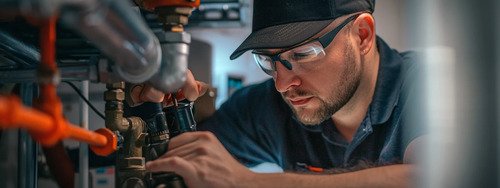
Professional plumbers bring a wealth of experience and a comprehensive toolkit plumber that surpasses what a typical homeowner can offer. This expertise allows them to diagnose issues accurately and provide solutions that are both effective and compliant with local building codes. They are equipped to handle complex problems that would stymie most DIY efforts.
Their arsenal includes specialized tools such as pipe cutters, threading machines, and sewer cameras, which enable them to perform intricate work with precision. Furthermore, a professional plumber has likely encountered a wide array of scenarios and can draw on this experience to overcome unforeseen complications that might arise during a repair or installation.
When faced with a significant plumbing issue, it’s wise to obtain multiple quotes from local plumbers. Assess their experience, reviews, and the warranties they offer on workmanship to ensure you’re hiring a competent professional who will deliver lasting solutions.
Cost Comparison: When Saving Now Could Mean Paying Later
On the surface, DIY plumbing can seem like a cost-effective choice, but it’s important to factor in the long-term implications. Simple repairs done correctly can indeed save money, but mistakes in DIY plumbing can lead to costly consequences, amplifying expenses rather than reducing them.
Professional plumbers may charge a premium for their services, but you’re also paying for their expertise, guarantees on their work, and the peace of mind that comes from knowing the job is done right. In comparison, DIY blunders may manifest in water damage, mold growth, and the need for emergency services, which ultimately cost more than professional intervention would have initially.
To keep expenses in check, homeowners can perform regular maintenance to prevent serious issues from developing. This includes routine drain cleaning, inspecting for leaks, and replacing old fixtures before they fail completely. If a problem does arise, consider contacting a professional earlier rather than later to prevent escalation.
Risk Management in Plumbing: The Value of Expertise Over Experimentation
The stakes are high in plumbing, where errors can result in significant property damage, health hazards from sewage exposure, or even legal repercussions from noncompliance with regulations. This makes risk management an essential consideration when deciding between DIY and professional plumbing services.
Professionals not only possess the aptitude to mitigate these risks, but they also usually have insurance to cover accidents or mistakes that occur on the job. This adds an additional layer of protection for the homeowner that a DIY approach simply does not offer. Tackling a plumbing task beyond your skill level can lead to disastrous and expensive outcomes.
For ambitious homeowners, sticking to tasks that carry minimal risk, such as changing a showerhead or adjusting a toilet float, may be appropriate. For actions that could have greater repercussions, such as adjusting the main water supply or dealing with gas lines, it’s advisable to defer to the expertise of a professional plumber.
In conclusion, navigating the decision between DIY plumbing and hiring a professional requires weighing the scope of the project, your personal skills, and the potential risks and costs involved. While minor issues can sometimes be handled by the homeowner, complex problems demand the technical skill, specialized tools, and experience that only a professional can provide. By thoroughly assessing the situation and choosing wisely, homeowners can ensure their plumbing needs are addressed effectively and economically.