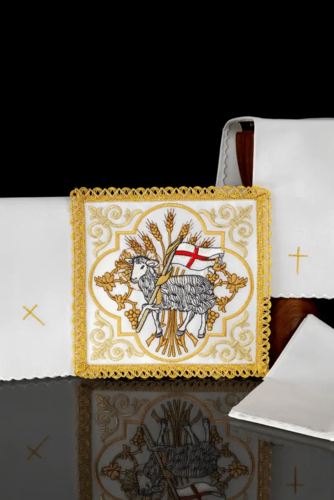
Easter is a time of profound spiritual significance, marking the culmination of Lent and the celebration of Christ’s resurrection. For many churches, this sacred period is also a time for ordaining new deacons and acolytes, individuals who will dedicate themselves to serving the Church and its faithful. The selection of appropriate vestments for these newly ordained individuals is a crucial aspect of the ordination ceremony, symbolizing their new roles and responsibilities within the liturgy. Choosing the right attire involves considering tradition, symbolism, and practicality, ensuring that the vestments honor the solemnity of the occasion and facilitate the sacred duties to be performed.
The Significance of Ordination Attire
Vestments are more than just garments; they are sacred symbols that communicate deeper spiritual truths. For deacons and acolytes, their ordination attire signifies their distinct ministries within the Church. The colors, fabrics, and designs are imbued with meaning, reflecting the liturgical season and the specific roles these individuals will undertake. Understanding this symbolism is key to making informed choices that enhance the beauty and solemnity of the ordination rites.
Understanding the Roles of Deacons and Acolytes
Before delving into vestment selection, it’s essential to understand the distinct functions of deacons and acolytes. Acolytes, often the youngest members of the liturgical community, serve at the altar by carrying candles, holding the Gospel book, and assisting the priest or deacon in various capacities. Their role is foundational, providing support and helping to create a prayerful atmosphere. Deacons, on the other hand, hold a higher office. They are ordained ministers who can preach the Gospel, baptize, officiate at weddings and funerals, and assist the bishop or priest at the altar, particularly in distributing Holy Communion. Their vestments reflect this enhanced responsibility and their direct service to the Word and the Eucharist.
Choosing the Right Vestments for Deacons
The primary vestment for a deacon is the dalmatic. The dalmatic is a T-shaped tunic, often adorned with orphreys (ornamental bands) that typically feature crosses. The dalmatic symbolizes the joy and service associated with the diaconate. When selecting a dalmatic for Easter ordinations, consider the liturgical colors appropriate for the season.
Liturgical Colors for Easter Ordinations
For Easter, the predominant liturgical color is white, signifying purity, joy, and the resurrection of Christ. Therefore, white dalmatics, often embellished with gold orphreys, are a traditional and fitting choice. Gold is also a color of celebration and divinity. Depending on the specific date of the ordination within the Easter season or the Octave, other celebratory colors might be considered, but white remains the most common and appropriate.
Fabric and Design Considerations for Dalmatics
Dalmatics are available in a variety of fabrics, from rich brocades and silks to more practical yet elegant polyester blends. For an Easter ordination, a fabric with a subtle sheen or a fine woven pattern can add a touch of splendor. The orphreys can range from simple embroidered crosses to more elaborate designs, perhaps incorporating symbols of the Holy Spirit or themes of new life. When choosing, balance the symbolic richness with the practical needs of the deacon, ensuring the dalmatic is comfortable and allows for ease of movement during the liturgy.
The Deacon’s Stole and Tunic (Alb)
In addition to the dalmatic, a deacon also wears a stole, a long strip of fabric worn diagonally across the chest, with the ends meeting at the hip. This signifies the yoke of Christ. The deacon’s stole is typically worn this way, contrasting with the priest’s stole worn vertically. The deacon is also vested in an alb, a long white linen or cotton garment worn by all clergy, symbolizing purity and baptismal grace. When selecting an alb, ensure it fits properly and is made of a breathable fabric.
Vestments for Acolytes
Acolytes often wear simpler vestments that nonetheless signify their role in serving the altar. The most common vestment for an acolyte is a cassock, a long, typically black or red, ankle-length robe. Over the cassock, they may wear a surplice, a white linen or cotton garment, wider and shorter than an alb, often with sleeves. Sometimes, particularly for younger acolytes, a simple white **cotta** (a shorter version of the surplice) may be used.
Symbolism in Acolyte Vestments
The cassock, in its simplicity, represents the commitment to a life of service. The white of the surplice or cotta connects them to the purity and reverence of the liturgical space, mirroring the white vestments worn by angels and signifying their angelic service at the altar. For Easter ordinations, the white of the surplice or cotta beautifully complements the festive season.
Practicality and Symbolism in Harmony
For acolytes, practicality is paramount. Their vestments should allow for energetic movement, whether they are carrying the processional cross, holding candles, or assisting with the preparation of the altar. While symbolism is important, the ability to perform their duties efficiently and without hindrance is key. Simple, well-made cassocks and surplices in appropriate colors and fabrics will serve them well.
Additional Considerations for Ordination Vestments
Beyond the primary vestments, other elements contribute to the overall solemnity of the ordination ceremony. Consider the quality of the materials used, the craftsmanship of the embroidery or orphreys, and the overall aesthetic. For Easter, a sense of light, joy, and divine presence should be reflected in the chosen vestments.
The Importance of Quality Craftsmanship
Invest in high-quality vestments crafted by reputable artisans. Well-made vestments not only look more dignified but also last longer, becoming cherished items within the church’s liturgical wardrobe. The intricate details of embroidery or the richness of a fine fabric can elevate the visual impact of the ceremony, underscoring the sacredness of the occasion and the importance of the newly ordained individuals.
Personalization and Customization
In some cases, churches may opt for personalized vestments, perhaps incorporating the church’s emblem or a specific devotional image. While traditional designs are widely accepted, a touch of personalization can add a unique and meaningful dimension to the ordination attire, especially for important milestones like Easter ordinations.
Conclusion: Honoring the Call with Appropriate Vestments
The ordination of deacons and acolytes during the Easter season is a joyous and significant event. The careful selection of their vestments plays a vital role in honoring the solemnity of the rites and symbolizing their commitment to service. By understanding the roles, liturgical colors, and symbolic meanings associated with dalmatics, stoles, albs, cassocks, and surplices, churches can ensure that the newly ordained are vested in a manner that is both spiritually meaningful and aesthetically fitting for the celebration of Christ’s resurrection. Prioritizing quality craftsmanship and appropriate design will ensure that these sacred garments serve the Church with dignity and grace for years to come.