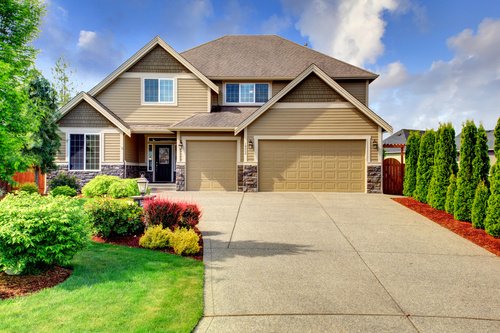
The exterior of a house is more than a protective layer—it is a statement of durability, design awareness, and long-term planning. Siding plays a crucial role in how a building performs against weather conditions while also shaping its visual identity. As materials and construction standards continue to evolve, homeowners are increasingly aware that choosing the right siding solution is a decision that affects comfort, efficiency, and property value for many years.
Siding as a Structural and Visual Element
Siding is often perceived as a purely aesthetic feature, but its role goes far beyond appearance. It forms a continuous barrier that helps regulate moisture, shields underlying structures, and supports overall building integrity. Well-designed siding systems combine form and function, ensuring that the exterior remains both visually consistent and technically sound over time.
Material Innovation and Performance
Advancements in manufacturing have transformed siding materials into highly engineered products. Modern solutions are resistant to warping, fading, cracking, and impact damage. Many options are designed to withstand extreme temperature shifts and prolonged exposure to sunlight without losing their original appearance. This level of performance allows homeowners to focus less on constant upkeep and more on long-term reliability.
Energy Efficiency and Climate Control
Siding contributes directly to a building’s thermal performance. When installed correctly, it supports insulation layers that reduce heat transfer and help maintain stable indoor temperatures. This results in lower energy consumption and increased comfort throughout the year. For many property owners researching exterior upgrades, the search for siding contractors near me Chicago often begins after realizing how strongly siding influences energy efficiency and interior conditions.
Design Flexibility and Customization
One of the strongest advantages of modern siding is its exceptional versatility. Homeowners today are no longer limited to a narrow selection of materials or visual effects. Instead, they can choose from a broad spectrum of colors, textures, profiles, and finishes that align with both personal taste and architectural intent. Whether the goal is to achieve clean, contemporary lines, subtle minimalism, or rich traditional depth, siding offers a high level of design control. Advanced manufacturing techniques allow for finishes that replicate natural wood, stone, or composite surfaces while maintaining consistent quality and performance. This flexibility makes it possible to create a cohesive exterior that complements the surrounding environment and enhances the overall character of the property.
The Importance of Professional Installation
Even the most advanced siding materials rely heavily on proper installation to perform as intended. Professional installation goes far beyond surface attachment—it involves precise alignment, correct fastening methods, adequate ventilation gaps, and well-integrated moisture barriers. Each of these elements plays a critical role in protecting the structure from temperature fluctuations, wind-driven rain, and long-term moisture exposure. Skilled installers understand how siding systems respond to environmental movement and seasonal changes, ensuring the material can expand and contract without warping or cracking. A properly executed installation not only improves visual consistency but also significantly extends the lifespan of the siding system.
Maintenance and Long-Term Reliability
Modern siding solutions are engineered with durability and low maintenance in mind. Many materials are resistant to fading, staining, insects, and moisture absorption, which minimizes the need for frequent upkeep. Unlike older exterior finishes that required regular repainting or sealing, contemporary siding maintains its appearance with minimal intervention. This reliability helps homeowners avoid unexpected repair costs and allows for more predictable long-term ownership expenses. Over time, the reduced maintenance demands translate into both financial savings and peace of mind, making modern siding a practical solution for long-term exterior protection.
Energy Efficiency and Environmental Considerations
Beyond appearance and durability, modern siding systems can also contribute to improved energy efficiency. When paired with proper insulation and weather barriers, siding helps regulate indoor temperatures by reducing heat loss and limiting air infiltration. This added thermal performance can lead to lower energy consumption and increased interior comfort throughout the year. Additionally, many siding materials are manufactured with sustainability in mind, incorporating recyclable components and long service lives that reduce environmental impact over time.
A Strategic Investment in the Property
Upgrading siding is not merely an exterior refresh—it is a strategic investment that delivers multiple benefits at once. High-quality siding enhances structural protection, supports energy performance, and elevates curb appeal, all while reinforcing the building’s overall resilience. From a long-term perspective, well-chosen siding contributes to property value and reflects thoughtful, future-oriented decision-making. It is an improvement that pays dividends not only in aesthetics, but also in performance, efficiency, and durability for years to come.