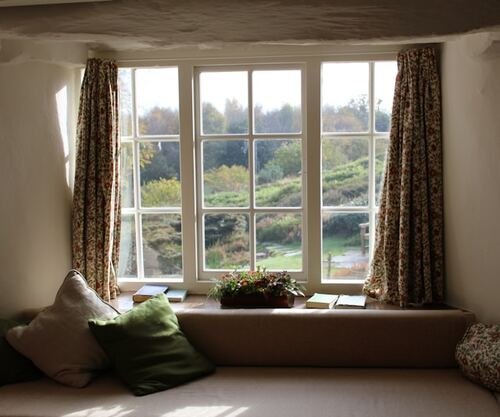
Natural light is not a design trend. It directly impacts mood, productivity, energy consumption, and even perceived home value. If a home feels dark during the day, the problem is often outdated or poorly positioned windows. Strategic window replacement can completely transform interior brightness without changing the footprint of the house.
Why Natural Light Matters More Than You Think
Homes with strong daylight exposure:
- Feel larger and cleaner
- Require less artificial lighting
- Have lower daytime electricity usage
- Show better in real estate listings
- Increase buyer appeal
The difference between a dim room and a bright one is rarely about paint color. It is usually about window size, placement, and frame design.
1. Picture Windows: Maximum Glass, Maximum Light
Picture windows are fixed units with no operable parts. Because they do not open, they eliminate bulky hardware and maximize glass surface area. More glass equals more daylight.
These are ideal for:
- Living rooms
- Dining areas
- Open-concept spaces
- Rooms facing scenic views
During window replacement, homeowners often upgrade smaller double-hung units to larger picture windows to dramatically increase natural light. The tradeoff is ventilation, so they are often paired with operable side windows.
2. Casement Windows: Bright and Efficient
Casement windows open outward with a crank mechanism and typically have slimmer frames than traditional double-hung styles. That slim profile allows for a larger glass area within the same rough opening.
They are excellent for:
- Bedrooms
- Kitchens
- Areas needing ventilation
- Modern home designs
When performing window replacement, upgrading to casement units often improves both light exposure and energy efficiency due to tighter sealing.
3. Sliding Windows: Horizontal Light Spread
Sliding windows open side to side and provide wide, unobstructed glass panels. They are ideal for spaces where vertical height is limited but width is available.
They work well in:
- Ranch-style homes
- Contemporary designs
- Basement-level rooms
A sliding configuration during window replacement can improve daylight penetration without requiring structural expansion.
4. Bay and Bow Windows: Architectural Light Boosters
Bay and bow windows project outward from the wall, capturing light from multiple angles. This design increases both light exposure and interior square footage.
They are strong choices for:
- Living rooms
- Breakfast nooks
- Front-facing rooms
For homeowners serious about brightening a dark space, bay or bow window replacement creates immediate visual and functional impact.
5. Floor-to-Ceiling Windows: Modern Light Strategy
In modern homes, larger vertical glass installations are becoming common. While structural considerations are necessary, replacing standard-sized windows with taller units dramatically changes light distribution.
This type of window replacement is most effective in:
- Two-story living rooms
- Contemporary renovations
- Homes with strong privacy buffers
6. Black Frames vs. Light Frames: Does It Matter?
Frame color affects perceived brightness. White or light-colored frames reflect more light into the room. Black frames create contrast and design impact but may visually reduce light reflection.
When planning window replacement, frame color should be considered as part of the light optimization strategy.
7. Glass Technology Also Impacts Brightness
Not all glass transmits light equally. Low-E coatings are essential for energy efficiency, but different types allow varying levels of visible light transmission.
During window replacement, selecting glass with a higher visible transmittance rating can increase natural brightness without sacrificing insulation performance.
Final Considerations
Maximizing daylight is not about adding more windows randomly. It requires:
- Understanding sun orientation
- Evaluating wall structure
- Selecting slim-profile frames
- Choosing high-performance glass
- Ensuring professional installation
Window replacement focused on natural light should be strategic, not cosmetic. When done correctly, it reduces energy costs, improves interior comfort, and increases property value.
If your rooms feel dark during the day, it is rarely a coincidence. It is usually a window problem.